Pigeons have become a familiar sight across Ahmedabad. While many people consider them harmless, allowing pigeons to nest on balconies, terraces, windows, and air conditioning units can create serious health and hygiene concerns. Their droppings, feathers, and nesting materials not only damage property but also increase the risk of disease, allergies, and pest infestations. Understanding these hidden dangers is the first step toward protecting your family and maintaining a healthier living environment.
Homeowners often ignore pigeon activity until it becomes a major issue. However, even a small group of birds can create unsanitary conditions within a short period. Choosing professional bird net services in ahmedabad can help prevent these problems before they affect your home and health.
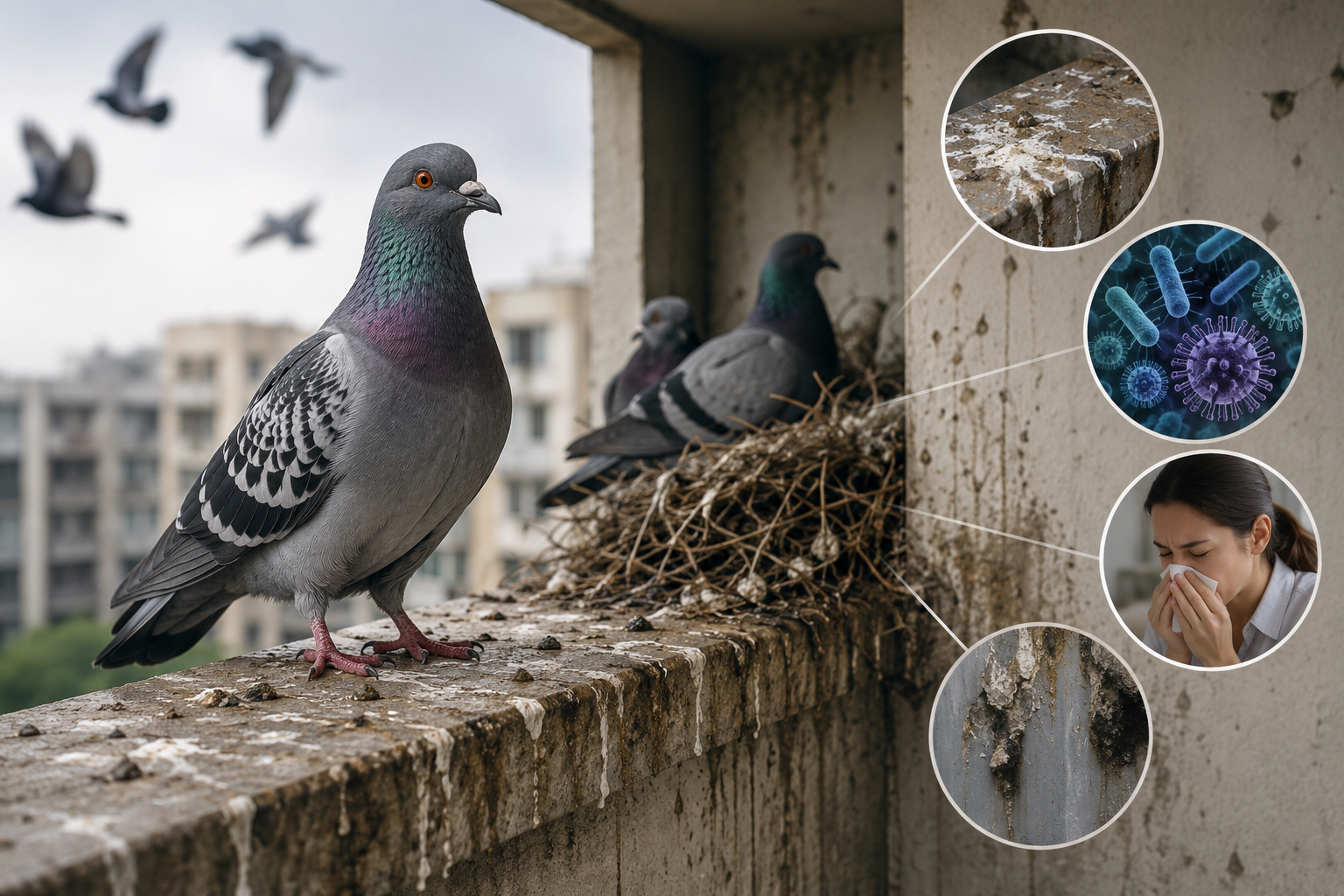
Why Pigeons Are More Than Just a Nuisance?
Pigeons are highly adaptable birds that thrive in urban environments. Residential apartments, commercial buildings, and independent homes provide perfect nesting spots where they are protected from predators.
As pigeons continue returning to the same location, droppings accumulate rapidly, nests grow larger, and harmful bacteria begin to multiply. What may initially seem like a minor inconvenience can quickly turn into a significant health concern.
Diseases Linked to Pigeon Droppings
One of the biggest concerns associated with pigeons is the presence of harmful microorganisms found in their droppings.
Histoplasmosis
This fungal infection develops when spores from dried pigeon droppings become airborne. Inhaling these spores may affect the lungs and cause symptoms such as fever, coughing, chest pain, and fatigue. Individuals with weakened immune systems are at greater risk of developing severe complications.
Cryptococcosis
Pigeon droppings can also carry fungi responsible for cryptococcosis. Although uncommon, this infection can affect both the lungs and nervous system, particularly among elderly individuals and those with compromised immunity.
Psittacosis
Also known as parrot fever, psittacosis is a bacterial infection that can spread through inhaling contaminated dust from bird droppings or feathers. Symptoms often resemble influenza, including fever, headache, muscle pain, and respiratory discomfort.
Respiratory Problems and Allergies
Many people do not realise that pigeon feathers, nesting debris, and dried droppings contribute significantly to poor indoor air quality.
Exposure to airborne particles may trigger:
- Persistent coughing
- Sneezing
- Eye irritation
- Asthma attacks
- Breathing difficulties
- Allergic reactions
Children, elderly family members, and individuals suffering from asthma are particularly vulnerable to these conditions.
Pest Infestations Caused by Pigeon Nests
Pigeon nests attract various unwanted pests that can spread throughout the home.
Common pests include:
- Bird mites
- Fleas
- Ticks
- Beetles
- Cockroaches
Once pigeons leave the nest, these insects often search for new hosts, entering living spaces and increasing the risk of bites, skin irritation, and additional infestations.
Property Damage That Impacts Health
Pigeon droppings are highly acidic and gradually damage building materials.
Common areas affected include:
- Balcony railings
- Window ledges
- Solar panels
- Air conditioning units
- Water tanks
- Roof structures
Blocked drainage systems and damaged ventilation areas may also create damp conditions that encourage mould growth, introducing another source of respiratory illness inside the home.
Contaminated Water Sources
In many residential buildings across Ahmedabad, pigeons frequently perch on overhead water tanks.
Their droppings can contaminate stored water, potentially introducing bacteria and other harmful microorganisms into household water supplies. Regular cleaning becomes difficult when pigeons repeatedly return to the same locations.
Increased Risk for Children and Pets
Young children often play on balconies and terraces where pigeons commonly gather. Contact with contaminated surfaces increases the likelihood of exposure to bacteria, fungi, and parasites.
Similarly, household pets may investigate nests or consume contaminated materials, exposing themselves to infections and parasites.
Maintaining pigeon-free outdoor spaces creates a safer environment for every member of the family.
Why DIY Solutions Often Fail
Many homeowners attempt to solve pigeon problems using temporary methods such as:
- Plastic owls
- Reflective tapes
- Loud noises
- Homemade repellents
While these may work briefly, pigeons quickly become accustomed to them and usually return within days or weeks.
Professional bird control services in Ahmedabad use proven methods that offer long-term protection without harming the birds. Properly installed nets and exclusion systems prevent pigeons from accessing balconies, windows, and other vulnerable areas.
Effective Long-Term Prevention
Preventing pigeon infestations requires more than simply removing existing nests.
A comprehensive prevention plan includes:
- Installing high-quality bird netting
- Sealing nesting entry points
- Cleaning contaminated surfaces safely
- Disinfecting affected areas
- Regular inspections
- Removing food sources that attract birds
A reliable bird net solution in Ahmedabad helps homeowners maintain cleaner balconies, improved hygiene, and reduced maintenance costs for years to come.
Benefits of Professional Bird Protection
Investing in professional bird protection offers several long-term advantages:
- Improved indoor air quality
- Reduced disease risks
- Cleaner balconies and terraces
- Protection for children and pets
- Prevention of pest infestations
- Lower property maintenance expenses
- Longer lifespan of building surfaces
- Better overall hygiene
These benefits make bird prevention an important investment rather than simply a cosmetic improvement.
Conclusion
Pigeons may appear harmless, but the hidden health risks associated with their droppings, feathers, nests, and parasites should never be underestimated. From respiratory infections and allergies to pest infestations and property damage, their presence can significantly affect the safety and cleanliness of your home.
Taking preventive measures early helps avoid expensive repairs and protects your family's health. Professional bird-proofing remains one of the safest and most effective ways to keep your property hygienic, secure, and free from recurring pigeon problems.